#WHAT DOES IT TAKE TO BE A DTO DESIGNER?
Every great designer has that moment they realize ordinary won’t cut it. That spark becomes a challenge, a call to explore, to experiment, and to design with a little more boldness than before.
At DTO, that moment is our lifestyle. Here, ideas don’t sit still; they race, collide, and spark into something extraordinary. A single sketch can grow into a full experience, and curiosity isn’t optional, it’s the fuel.
Being a DTO designer means stepping into a creative playground with your mind wide open and your imagination fully charged. It’s turning problems into possibilities and inspiration into design that speaks for itself; because at DTO, great design isn’t just made, it’s discovered through exploration, play, and the drive to create work that truly stands out. And that journey? That’s what makes being a DTO designer so exciting.
With this foundation in mind, we can now dive into the heart of the journey, understanding what it means to be a DTO designer from the principles that guide our craft to the ethos that defines who we are..

DESIGN
Before we can understand the designer, we must first understand design itself along with its principles.
And so we are led to ask, WHAT IS DESIGN?
Design is intention made visible. The bridge between idea and experience. Purpose translated into form. It’s not just aesthetics, it’s intention, logic, and empathy working together.
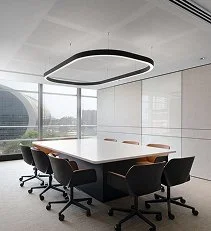
For one to appropriately understand design we must familiarize ourselves with its principles.
Every remarkable design begins long before lines are drawn or materials chosen. It starts where ideas are born, possibilities imagined, and intentions clarified. This is where direction is set and a project’s identity begins to take shape.
At the heart of this process is conceptualization.
CONCEPTUALISATION.
Conceptualisation through the Principles of Design
Conceptualisation is the first act of giving thought a visible form; where creativity is anchored by intention. It’s the process of shaping abstract ideas into meaningful directions guided by the principles of design.
These principles: balance, proportion, rhythm, emphasis, harmony, unity etc. Serve as the framework through which we bring order to imagination. They help us translate inspiration into structured possibilities
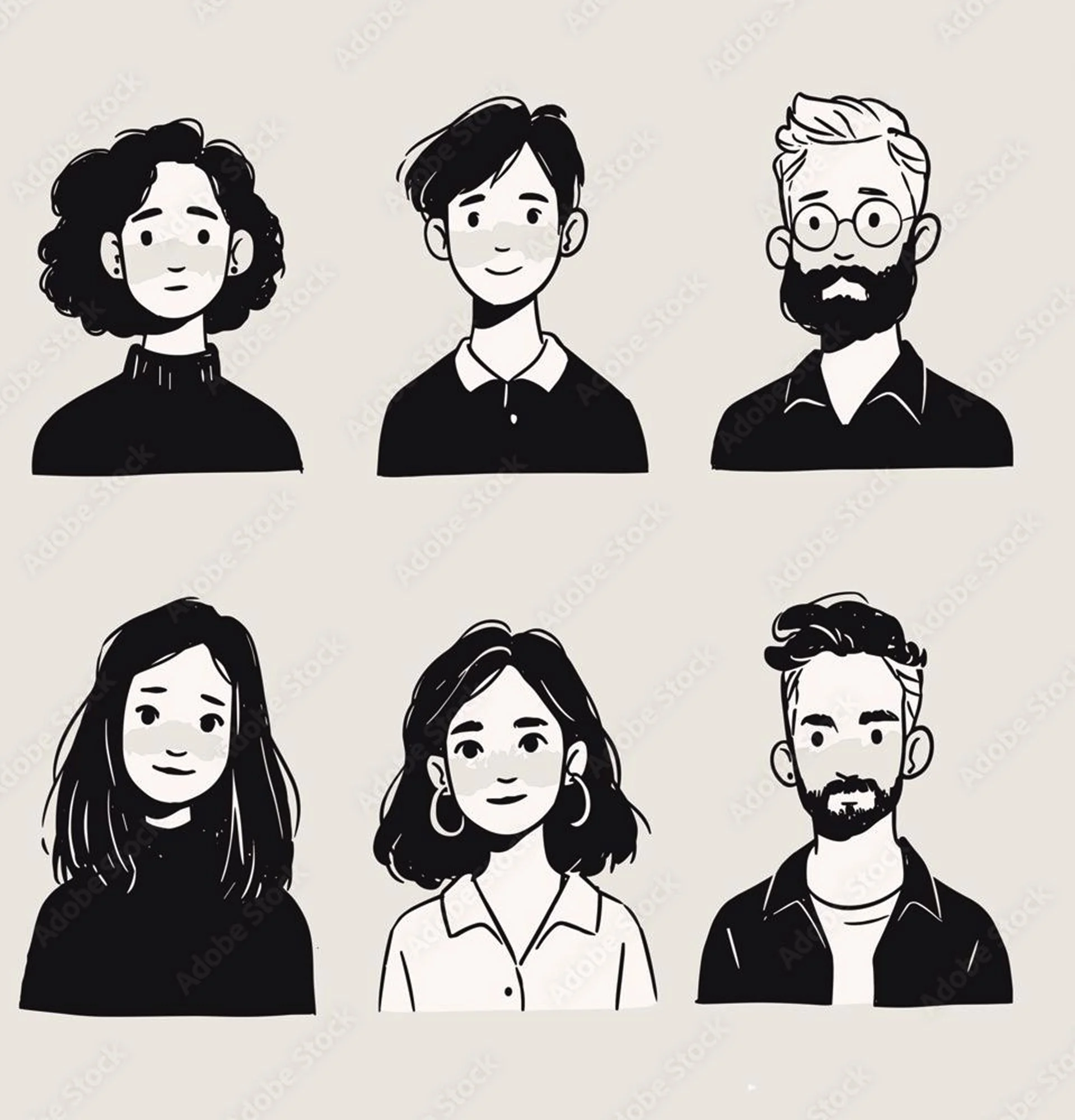
Conceptualisation is critical in forming the basis of any good design, hence its importance cannot be overlooked.
By breaking things down to their simplest form, we uncover the truth of an idea.
In simplicity, patterns emerge, and meaning becomes visible.
Conceptualisation begins where complexity is stripped away, and only purpose remains.
From that place of clarity, design finds its voice, form, and direction.
Before a single line is drawn, before a material is chosen, there is the designer; wandering in the space of ideas, imagining possibilities, testing visions in their mind. They dream, they question, they shape, and through their hands and insight, the invisible becomes visible. It is the designer who conceptualizes, who breathes life into thought, and who guides a design from the spark of imagination to the reality.
DESIGNER
The mind, heart, and hands behind the work
A designer is both a creator and a translator; someone who bridges imagination and reality. They interpret needs, translate challenges into concepts, and shape ideas into tangible experiences that improve how people live and interact with space.
Beyond creativity, a designer must think critically, listen deeply, and design with empathy. They balance artistry with problem solving; ensuring every decision serves a purpose.
Curiosity: A constant desire to explore, ask questions, and discover new possibilities.
Empathy: The ability to understand people, their needs, and their experiences.
Discipline: Commitment to process, precision, and continuous improvement.
Adaptability: Flexibility to respond to change and work through constraints.
Critical Thinking: Seeing beyond aesthetics to the reasoning and functionality behind every choice.
Attention to Detail: Caring for the small things that define the overall quality.
Becoming a better designer; A way of life
Becoming a better designer is a continuous process of learning, refining, and seeing differently.
It’s about training your mind to notice what others overlook. Proportions, patterns, textures, and emotions hidden within space. Growth in design doesn’t come from talent alone, but from discipline, curiosity, and reflection.
Key pointers:
Learn to see, by noticing what others overlook.
Learn to listen, to clients, context, and colleagues.
Learn to refine, and edit ideas until they become clear.
Learn to grow, through every challenge, revision, and critique.
Every discipline has its own quiet current, an inner culture that shapes how its people think, move, and create. The DTO designer rises from this current. They come from a place where clarity is a value, where intention is a habit, and where every decision is guided by a deeper sense of order. In this culture, design is not rushed; it is read, interpreted, and understood. And from that still, deliberate way of working, the DTO designer emerges as someone shaped not just by skill, but by the philosophy that surrounds the craft.
THE DTO DESIGNER
The identity and ethos that define a designer at DTO
We can identify a DTO Designer as someone who not only understands what it means to design or be a designer, but also embodies the ethos and discipline required to create at the DTO standard.
The DTO Ethos, also known as the DTO culture, is what drives every designer to embody, communicate, and elevate the standards that define our identity.
Innovative:Collaborative: Detail Oriented:Dynamic:Humble:Time conscious

Ethos approach to design at DTO:
Design Brief: Defines the purpose, goals, and scope of a project. It’s the foundation that guides every design decision.
Brainstorming: The creative exchange of ideas where possibilities are explored and boundaries are challenged.
Conceptualisation: The process of shaping raw ideas into structured concepts that capture intent and direction.
Moodboard: A visual language that expresses tone, style, and inspiration. The emotional compass of a project.
Modelling and design: Translating concepts into tangible form through detail, proportion, and precision.
Visualisation: Bringing design to life through imagery and experience; allowing others to see and feel the intent.
THE DTO DESIGNER
The identity and ethos that define a designer at DTO

Being a DTO Designer means belonging to a community of thinkers, makers, and collaborators. Here, design is a collective pursuit each person contributes to the vision, process, and outcome that define the DTO standard. To be part of this community is to uphold what DTO stands for. Clarity, integrity, and excellence in design. Together, we carry the standard and define what it means to be DTO.